Aloha Svg Cut File Design Review: Real Project Use
As an experienced designer and embroidery product reviewer, I often find myself sifting through digital design packs to determine which ones are worth investing in for real-world use. When I first opened the Aloha Svg Cut File Design, I was drawn to its simplicity and charm. The design feels like a warm breeze — relaxed yet intentional. It’s not overcomplicated or flashy, but it carries enough personality to stand out on fabric without shouting for attention.
First Impressions and Visual Personality
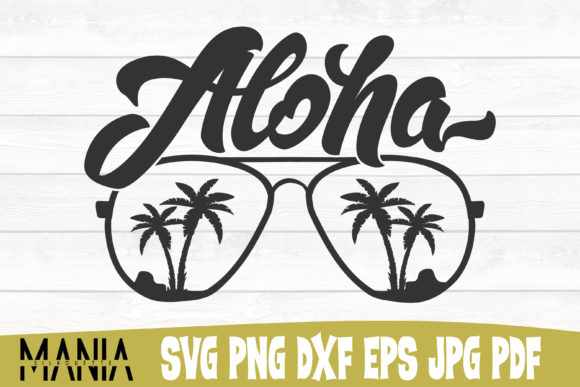
The Aloha SVG cut file has a clean layout with well-defined shapes that suggest it could be used for both applique design and simple line work. The theme is tropical-inspired, which immediately makes me think of beachy apparel, personalized gifts, and seasonal items like holiday cards or summer-themed tote bags. Its visual balance is pleasing; there's just enough detail to give it character without overwhelming the viewer or the needlework process.
I imagine this design working particularly well on custom apparel — especially sweatshirts or t-shirts where a soft, friendly message can make a big impact. It also fits nicely into handmade products like embroidered pillows or kitchen towels, adding a touch of island life to everyday items. For Etsy sellers and small shop owners, this kind of design offers a versatile base that can be adapted into multiple product categories while maintaining a cohesive brand feel.
File Formats and Flexibility
This pack includes SVG, PNG (transparent), EPS, JPEG, and DXF files — all of which are standard for graphic templates. As someone who works across different platforms and machines, having access to editable vector formats like SVG and EPS is a huge plus. You can scale the design up or down without losing quality, which is essential when planning for varied applications like embroidered patches versus large-format sweatshirt embroidery.
The transparent PNG is great for mockups and previews, allowing you to visualize how the machine embroidery design will look before stitching. If you're selling digital embroidery files, this format helps your buyers understand what they’re getting. The JPEG is useful for iron-on transfers, so if you want to offer heat-press options alongside traditional embroidery, this file adds flexibility to your workflow.
Real-Life Embroidery Performance
Let’s get practical. I recently used the Aloha Svg Cut File Design on a custom embroidered tote bag design for a boutique client. The design was scaled to about 6 inches wide, stitched using a combination of satin stitch and fill stitch, and placed centrally on a cotton-linen blend fabric. The result was clean, readable, and visually appealing — exactly what the client wanted for their summer collection.
One thing I noticed was how well the design adapts to different thread colors. Whether you go bold with neon hues or keep it subtle with pastels, the structure of the design allows for easy customization. This makes it ideal for personalized gifts or holiday embroidery where color choices are part of the personalization.
It also performed admirably on baby clothes, where clarity and softness are key. The lines were smooth, and the negative space gave the piece a breathable, non-overwhelming look — perfect for a newborn gift or nursery decor item.
Where It Shines
- Custom Apparel: T-shirts, sweatshirts, and hoodies benefit from the design’s open layout and moderate stitch density.
- Tote Bags: Especially canvas or linen blends, where the design’s simplicity doesn’t clash with the texture of the fabric.
- Baby Items: From bibs to blankets, the gentle aesthetic complements soft, pastel palettes.
- Patches & Aprons: Works well as an embroidered patch or applique on aprons, giving a polished and professional finish.
- Printable Mockups: The transparent PNG makes it easy to showcase the design on various garment types for digital marketing or Etsy listings.
Use With Caution: Practical Limitations
While the Aloha Svg Cut File Design is versatile, there are situations where it might not perform at its best. First, consider hoop size. If you're planning to embroider smaller items like caps or hats, you’ll need to reduce the design significantly, which may affect legibility. Always test it on scrap fabric first, especially when resizing.
Second, the design is best suited for smooth fabrics. On textured materials like flannel or stretchy knits, the fine details might lose definition. A good stabilizer is recommended here to maintain sharp edges and consistent tension.
Also, if you plan to use it on dark fabric backgrounds, pay close attention to thread contrast. While the design is clear in black and white, it needs high visibility against darker tones. Try using lighter-colored threads or add a backing fill to ensure the words remain legible.
Finally, avoid using it on items that undergo frequent washing or heavy wear unless you reinforce the stitches properly. The design’s delicate nature means it can fray or distort if not handled with care during the embroidery process and afterward in production.
Design Notes for Maximum Impact
- Test on Scrap Fabric: Before finalizing any project, run a test stitch on similar material to see how the stitch density holds up.
- Check Thread Contrast: Especially important for commercial embroidery or digital embroidery file sales. Poor contrast can lead to customer dissatisfaction.
- Review Stitch Types: Depending on your machine and fabric, you may want to adjust between running stitch and fill stitch to optimize appearance and durability.
- Confirm Hoop Size: If you’re shrinking the design for small projects, ensure the resized version still maintains its integrity.
- Inspect Small Details: Look closely at lettering and corners. These can easily become distorted if not properly supported by stabilizer or adjusted in software.
- Mockup in Black and White: This helps assess how the design will appear under different lighting conditions and fabric shades.
- Compare Light and Dark Backgrounds: See how the design interacts with contrasting colors and decide whether additional layers are needed for clarity.
- Use Proper Stabilizer: Especially on thin or stretchy materials. A tear-away or cut-away stabilizer can prevent puckering and distortion.
- Understand Licensing: If you're planning to sell finished products or digital designs, always confirm the licensing terms before going to market.
Impact on Brand and Product Value
Using the Aloha Svg Cut File Design in your craft business can elevate the visual appeal of your products without overdoing it. It adds a sense of warmth and approachability that’s hard to replicate with generic phrases or logos. Customers respond positively to this kind of organic, handcrafted messaging — it builds trust and enhances brand consistency.
For commercial embroidery projects, the design brings a level of professionalism that aligns well with boutique-style branding. It’s not too trendy, so it won’t date quickly, yet it’s unique enough to catch the eye of potential buyers. Whether you're creating summer merchandise or holiday gifts, this design gives your items a recognizable identity.
In terms of product value, customers tend to appreciate thoughtful, aesthetically pleasing embroidery. A well-executed Aloha motif can transform a basic tote bag into a statement piece or turn a plain apron into a branded item for a local café or craft store.
Giftability and Customer Engagement
The word "Aloha" itself has emotional weight — it conveys peace, love, and welcome. That alone can boost the giftability of your products. People buy them not just for function, but for sentiment. As an Embroidery designer, leveraging that emotion through your designs is a powerful tool.
When used on personalized gifts, like baby items or wedding favors, the design adds a layer of thoughtfulness. Clients are more likely to engage with a product that tells a story or evokes a feeling. And for handmade shop owners, that kind of engagement can translate into repeat customers and positive reviews.
Final Thoughts for Creative Entrepreneurs
The Aloha Svg Cut File Design isn't just another graphic template — it's a carefully crafted asset that deserves to be treated with the same attention as your other design assets. It performs well in most scenarios, but its success depends on thoughtful application and preparation.
If you're considering this design for a new project, take the time to evaluate how it will look in context. Will it fit on the chosen fabric? Does it match the tone of your brand or the purpose of the finished product? Can it withstand the rigors of production and frequent use?
Remember, the right machine embroidery design can do more than just look good — it can speak for you. Aloha does just that. Warm, welcoming, and wearable, it’s a solid choice for those looking to add meaningful, beautiful embroidery to their collections or client orders.